Quick answer
Parts quality shows through five things: the material, the machined surface, the play you feel on a trial fit, the packaging, and the source. You do not need costly gauges, just a trained eye and hands to weed out weak parts before fitting. Checking this stage well saves you from opening the machine again after a few months of running.
Parts quality decides your machine life and how much you spend on repairs, directly. A good component shows itself through material, machined surface, the play on a trial fit, packaging and a clear source. This guide walks each cue so you can check before fitting. You do not need costly gauges, only a trained eye and practiced hands.
What parts quality means and why it matters
Parts quality is not about cheap or expensive. It is how well the component does its job, for as long as you expect. A good seal keeps oil in until the next service. A good pump runs smooth, does not overheat, and holds pressure without sagging.
On heavy equipment, one part that fails early drags many things with it. The machine sits idle, you lose schedule, and often it damages the mating parts too. So ten minutes of checking before fitting is the cheapest investment you can make.
Reading the material: steel, cast iron and how to tell
Material is the foundation. High-pressure parts such as pump bodies, pistons and cylinder blocks need the right grade of steel or iron, properly heat-treated. You cannot read the alloy by eye, but there are cues.
A good steel fracture or cut edge looks fine, even-grained, bright grey. Poor iron shows gas holes, tiny pores, or uneven color patches. Tap a good iron part and it rings crisp; weak or porous iron sounds dull and buzzy. This is an old technician sense, no substitute for a lab, but enough to raise a flag.
Machined surface: the mark of workmanship
The machined surface tells you a lot about the maker. Piston sliding faces, cylinder bores and journals need a high, even polish. Run a finger along the surface and you should feel no ridges, deep scratches, or tool lines standing out.
Patchy machining, shiny here and dull there, usually means a worn machine or careless work. The rougher the surface, the faster it breaks the oil film, builds heat and wears. On hydraulic parts, surface finish almost equals service life.
Play and clearance: feel it with your hands
Play is the gap between two mating parts. Too tight and it binds, too loose and it rattles; both are wrong. Fit a piston into its bore, turn and push gently; it should glide, no catching, no sideways slop.
For bushings and shafts, hold and rock lightly to feel the clearance. A little play to hold the oil film is normal; rattling to the point of a knock is past the limit. This feel takes practice, but anyone with a few years on machines picks it up.
What do packaging and boxing tell you?
Packaging does not make a part run better, but it reflects how much the maker respects the product. Serious goods come with anti-moisture and anti-rust protection, parts wrapped separately, packed tight so nothing knocks in transit.
Crushed boxes, dried-out preservative oil, or parts loose in one bag are warning signs. Seals and gaskets left long in open air go hard and lose their spring. Sloppy packaging often foretells a part that degraded before it reached you.
Source and traceability: what to ask before buying
A clear source is part of parts quality, not a side issue. Ask straight: whose brand is this, which route did it come in, is there paperwork, what is the return policy. An honest seller answers without dodging.
For heavy-equipment parts in general, a transparent supplier lets you see the goods, allows a trial fit, and states plainly what is genuine and what is aftermarket. It helps to compare across the range before you decide.
Genuine versus aftermarket: how to choose
Genuine is not always better, and aftermarket is not always weak. The point is matching the right type to the right need. A newer machine working hard should favor genuine to keep the original characteristics.
An older, well-depreciated machine can sensibly run good aftermarket parts on cost grounds. What matters is knowing what you are buying. If you are unsure, the comparison guide on genuine vs aftermarket parts helps you weigh it clearly.
Checking a hydraulic rotary group before fitting
The rotary group is the most sensitive cluster in a hydraulic system. Before fitting, turn the shaft by hand to feel the smoothness; it must rotate evenly, not heavy in one spot and light in another. Look over the block face and valve plate for scratches, pitting or signs of regrinding.
If you are replacing hydraulic rotary groups, match them carefully against the old unit for size, spline count and shaft type. Even a small mismatch stops the pump meshing. When you are torn between repair and replacement, the guide on rebuild vs a new pump breaks down each case well.
Seals and gaskets: small parts, big consequences
Seals and gaskets are the cheapest items in the set, but their failure means leaks, lost pressure and a machine down. Good rubber has spring; squeeze and release and it snaps back with no dent left. Hard, stiff rubber with a burnt smell is old or low-grade.
Check the seal lip for a clean, even, burr-free edge. A proper hydraulic seal hugs the shaft snugly without forcing. Do not begrudge a few minutes here, because replacing one seal later costs many times the effort.
Threads, bolts and mating faces
Threads are where poor goods show fastest. Run a bolt into the thread; it should go smooth the full length, no binding, no seizing partway. Slack threads, chewed leads, or uneven pitch mean you should pass.
Mating faces, where two parts press together, need to be flat and free of burrs. A single ridge left behind causes a gap, an oil leak, or a joint that never seats fully. Run a hand around the bore edge and flange face and you feel careless work at once.
Coating, paint and rust protection
The outer coating both fights rust and shows the level of care. Even paint that holds well and does not flake is a good sign. Thick paint slopped over machined faces, covering even the threads, usually hides flaws underneath.
For bare steel parts, the anti-rust oil film should still be there, even, with no red rust eating in. Light surface rust wipes off, but pitting rust into a sliding face means the part is finished. Look hard at the hidden corners where rust tends to start first.
Weight and hand feel
Picking a part up is a crude but effective test. Full-material goods feel solid, dense and balanced in the hand. Material-cheated goods often feel oddly light for their size.
Compare against the old part if you kept it. A clear weight difference between two of the same type is worth questioning with the seller. Hand feel does not replace a scale, but it is enough to make you stop and look closer.
Signs of a reman part passed off as new
A reman part is not bad, if sold under its true name. The problem is when it wears a new-part mask. Look hard at edges, corners and the usual wear spots; a run part often keeps faint scratches, regrind marks, or uneven surface color.
Re-cut threads, paint layered over old marks, and ground-off stamped numbers are all tells. A truly new part is consistent inside and out. When in doubt, ask the seller straight and watch how they react.
Checking dimensions and tolerance
A dimension off by a little means it will not fit, or fits and rattles. If you have calipers, measure a few key points and compare with the old part. Without gauges, a direct trial fit is the surest way.
Large makers publish tolerances and specifications in their technical documents; for example you can look up Hitachi documentation to see how they define parameters for each machine line. Grasping this principle helps you tell an acceptable variation from a real fault.
Pre-fit inspection checklist
A short routine keeps you from missing anything. Follow this order every time a part arrives:
- Check the packaging, moisture and rust protection are intact.
- Match the part name and specs against the old one.
- Run a hand over the machined surface for scratches, pits, burrs.
- Trial-fit to feel the play and smoothness.
- Test the threads, check bolts and flange faces.
- Gauge the weight by hand against the old part.
- Check seals and gaskets still have their spring.
| Item | Good sign | Warning sign |
|---|---|---|
| Material | Solid, fine grain, crisp ring | Oddly light, gas holes, dull sound |
| Surface | Even polish, no ridges | Patchy, deep scratches |
| Play | Glides, moderate clearance | Binds or rattles |
| Rubber seal | Springy, clean sharp edge | Hard, stiff, burred |
| Packaging | Well wrapped, rust protected | Crushed, dried oil |
Parts durability: what decides service life
Parts durability comes from three things together: right material, sound machining, and a proper fit. Miss one of the three and life drops, even if the other two are good. So choosing a good part is not enough; fitting it right completes the job.
Working conditions decide much too. Dirty oil, poor filtration and overloading will kill even the best part. When you judge whether a part lasts, look at the whole system around it, not the item alone.
Storing parts before fitting
Buying good goods then storing them carelessly wastes them. Keep parts somewhere dry, away from dust and damp. Keep rubber seals out of sun and heat, because sunlight hardens rubber fast.
Do not strip the anti-rust wrap too early if you are not fitting right away. For bare steel parts, keep the preservative oil film until use. A little care at this stage keeps the goods at the same quality as when you received them.
Common mistakes when judging parts quality
The most common mistake is looking only at price. Cheap is not always a trap, dear is not always safe; what matters is knowing what you buy. The second mistake is skipping the trial fit and trusting the label fully.
Many people also forget to compare with the old part, when that is the readiest and most reliable yardstick. Finally, do not judge parts quality by a glossy exterior alone; nice paint says nothing about the material inside.
When to call in an experienced technician
Some parts are beyond checking by naked eye. Pump units, hydraulic motors and control valves need practiced hands and sometimes measuring tools. If you are unsure, having a skilled technician look before fitting is worth it.
One session of labor is far cheaper than opening the machine again over a wrong, weak part. An experienced hand spots problems fast, and knows where to measure and where a touch is enough. Do not hesitate to ask when the item carries real value.
Choosing a supplier you can trust
In the end, where you buy matters as much as the part itself. A supplier who lets you see the goods, allows a trial fit, gives honest advice and stands behind the sale saves you plenty of trouble. If you need proper hydraulic rotary groups or hydraulic seals for your machine, get in touch to view the parts and get advice before you decide.
Key takeaways
- Parts quality shows through material, surface, play, packaging and source.
- A direct trial fit and comparison with the old part are the two most reliable checks.
- An even polished machined surface almost equals the life of a hydraulic part.
- Good rubber seals must be springy, sharp-edged, burr-free and never hard.
- Genuine or aftermarket both work, as long as you know exactly what you buy.
- A transparent supplier who lets you inspect and trial-fit matters as much as the part.
Written by
Hoàng Anh Dũng
Hoàng Anh Dũng tracks sourcing, pricing and brands for heavy-equipment parts. He writes about what drives price, buying smart and telling apart part origins and quality.
Related parts
The exact parts discussed above — send your machine model or pump code to match.
Related products
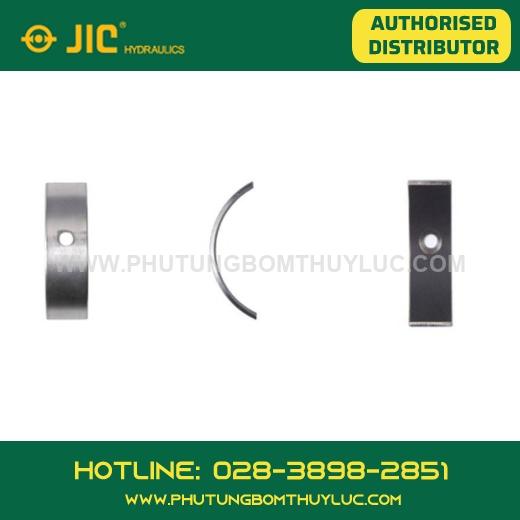 Kayaba (KYB) · PSVBushing – Kayaba PSVD2-17PSVD2On requestView · get a quote
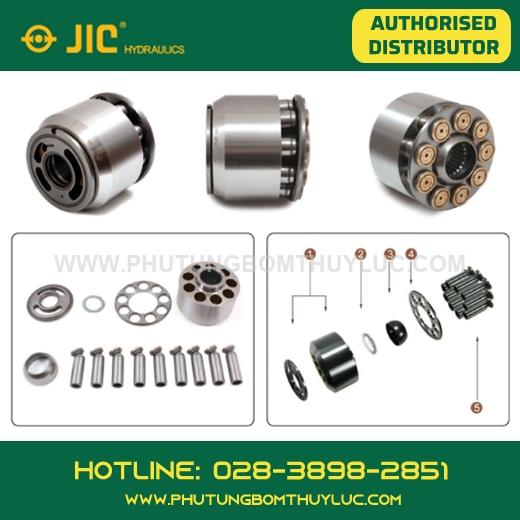 Kayaba (KYB) · PSVRotary group – Kayaba PSV2-55TPSV2On requestView · get a quote
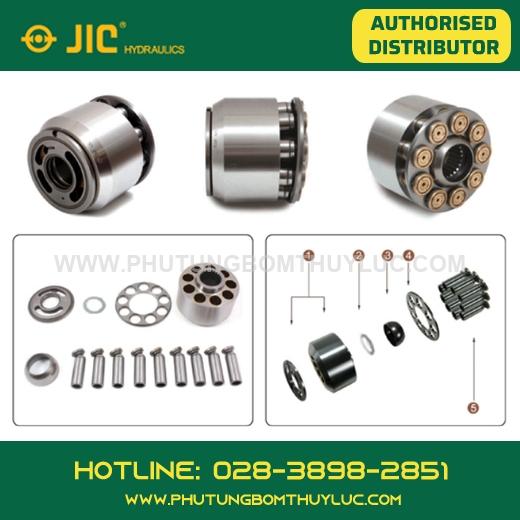 Kayaba (KYB) · PSVRotary group – Kayaba PSV2-60TPSV2On requestView · get a quote
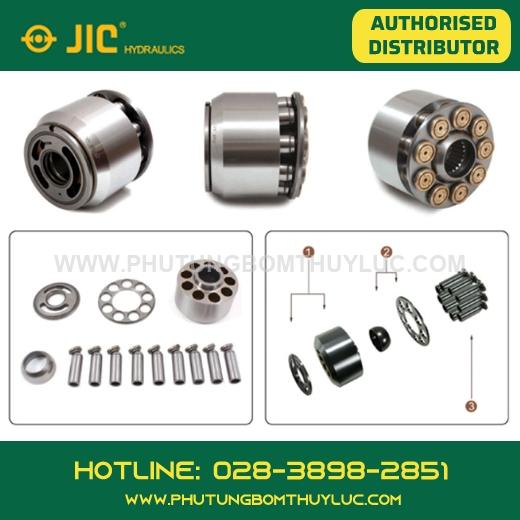 Kayaba (KYB) · PSVRotary group – Kayaba PSV2-63TPSV2On requestView · get a quote